A practical guide to Top Chef France winners since 2010—how the show changed French gastronomy, public opinions, and what each winner did next.
Why Top Chef France matters (and how it has evolved)
Since its debut in 2010 on M6, Top Chef France has become far more than a cooking contest. It helped turn fine dining from an insider’s world into something mainstream—without fully watering it down. The show made professional techniques, pantry discipline, and plating standards visible to a broad audience, while introducing the public to the realities (and pressure) of a professional kitchen.
Over time, the format expanded. Early seasons focused on classic technical battles. Later seasons pushed narrative and creativity: chef mentorship “brigades,” high-profile guest chefs, and challenges built around modern dining expectations—seasonality, short supply chains, and more explicit conversations about food waste and sustainability.
The cultural impact is real. Exposure on prime-time television can accelerate careers: restaurant projects get attention faster, book deals happen sooner, and chefs build a recognisable identity—sometimes with professional representation similar to talent management. And the show has gained credibility inside the industry as well: one major indicator is how many former contestants have earned Michelin recognition over the years.
What French viewers think about the show
The public relationship with Top Chef is a mix of enthusiasm and scepticism:
- Many viewers love the “sport” of it: time pressure, creativity under constraints, and the satisfaction of seeing a dish come together at the last second.
- Critics often argue that the show is partially “scripted,” or at least heavily edited, and that certain judge personas feel performative.
- There’s also the “can I cook this at home?” gap: many dishes are too technical, too equipment-heavy, or require ingredients that aren’t realistic for a weeknight.
That said, the show has created a bridge to home cooking. There are cookbook-style collections and online recipe round-ups designed to translate the programme’s ideas into more approachable formats—helpful if you want to experiment with restaurant techniques without chasing perfection.
Top Chef France winners by year (2010–2025)
Below is the complete list of winners since 2010, including the most recent seasons.
- 2010 (Season 1): Romain Tischenko
- 2011 (Season 2): Stéphanie Le Quellec
- 2012 (Season 3): Jean Imbert
- 2013 (Season 4): Naoëlle d’Hainaut
- 2014 (Season 5): Pierre Augé
- 2015 (Season 6): Xavier Koenig
- 2016 (Season 7): Xavier Pincemin
- 2017 (Season 8): Jérémie Izarn
- 2018 (Season 9): Camille Delcroix
- 2019 (Season 10): Samuel Albert
- 2020 (Season 11): David Gallienne
- 2021 (Season 12): Mohamed Cheikh
- 2022 (Season 13): Louise Bourrat
- 2023 (Season 14): Hugo Riboulet
- 2024 (Season 15): Jorick Dorignac
- 2025 (Season 16): Quentin Mauro
Where the winners went next: a practical snapshot
What follows is a simple, reader-friendly look at each winner’s post-show direction. (Restaurant concepts evolve quickly in real life; consider this a map of the “headline” trajectory.)
2010 — Romain Tischenko
After winning, he leaned into bistro-style creativity and seasonal cooking in Paris, including projects associated with relaxed wine-bar culture—often linked to the rise of natural wines in the capital.
2011 — Stéphanie Le Quellec
She built a strong fine-dining identity in Paris with a Michelin-starred address and expanded into other concepts (including seafood-focused and gourmet shop/catering formats). Her path is a reference case for turning TV recognition into long-term restaurant brand building.
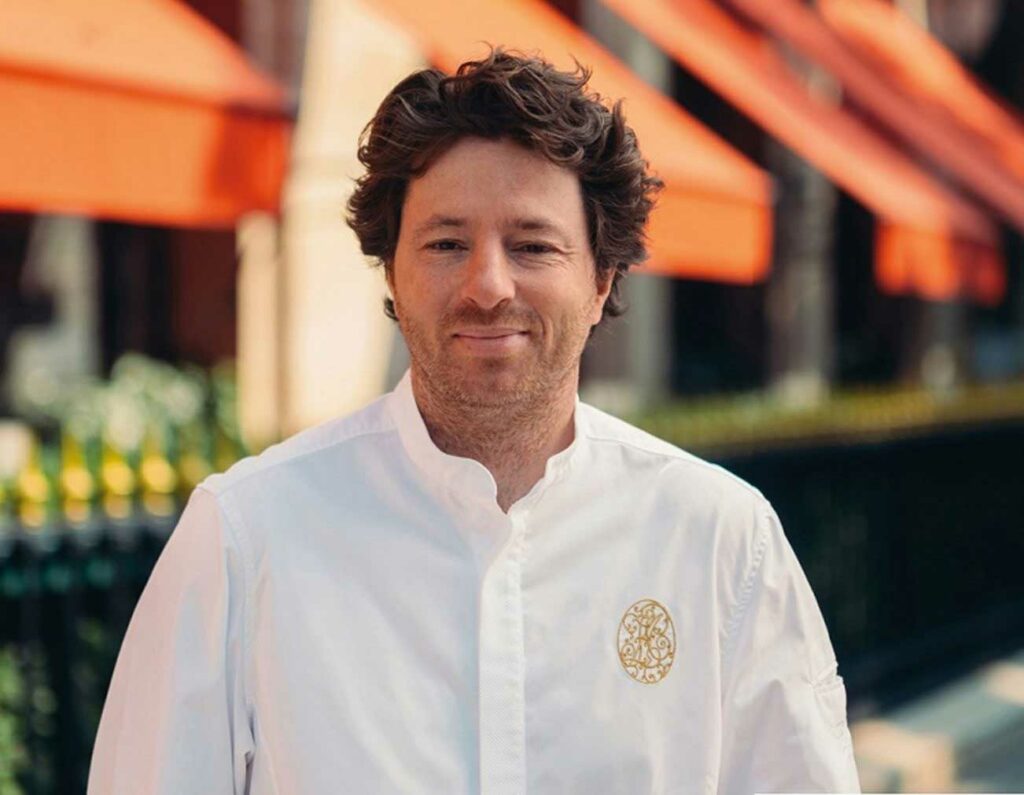
2012 — Jean Imbert
He became the most media-visible winner of the franchise, shaping an image built on storytelling, nostalgia, and high-profile dining. His career shows how Top Chef can become a springboard into luxury hospitality and headline kitchens.
2013 — Naoëlle d’Hainaut
She developed a Michelin-starred approach outside central Paris, pairing refined French cuisine with a more intimate regional setting—plus additional, more casual companion formats.
2014 — Pierre Augé
He embraced a personal, guest-centric experience with surprise menus and local sourcing—an approach that fits modern expectations around farm-to-table dining and spontaneity.
2015 — Xavier Koenig
Based in Alsace, he focused on regional identity with a seasonal menu and a local-products mindset—often aligned with organic or responsible sourcing.
2016 — Xavier Pincemin
He built a modern French signature—classic technique plus contemporary presentation—illustrating a common winner “route”: keep the fundamentals, modernise the expression.
2017 — Jérémie Izarn
He leaned into a strong regional anchor (Isère) with creative, locally inspired plates—showing that you don’t need Paris to build credibility after a TV win.
2018 — Camille Delcroix
He highlighted northern French heritage in a modern way and complemented restaurant work with publishing, extending reach beyond the dining room.
2019 — Samuel Albert
He popularised a more accessible positioning (both price and style), mixing French codes with Japanese influences—very in line with contemporary fusion cuisine trends.
2020 — David Gallienne
He built a Michelin-starred identity with an emphasis on refined simplicity and local sourcing in a destination setting (Giverny), reinforcing the “experience + place” equation.
2021 — Mohamed Cheikh
He moved fast into highly visible projects, including pop-ups and media-driven formats, and expanded into cookbook-style content—typical of winners who capitalise quickly on attention.
2022 — Louise Bourrat
Based in Lisbon, she developed an expressive, personal style blending heritage and boldness—proof that a Top Chef France win can travel well internationally.
2023 — Hugo Riboulet
He became a symbol of how the show functions as a genuine career accelerator, and he also built concepts connected to modern, high-quality street-food formats.
2024 — Jorick Dorignac
His win mattered because it came during a season framed around very high culinary standards and a strong jury line-up. He is often cited as part of the show’s shift toward more “industry-legit” credibility.
2025 — Quentin Mauro
The 2025 season was marked by a reinforced relationship with the Michelin Guide in the show’s narrative and evaluation system, and Quentin Mauro won that edition.
If you want to cook like Top Chef at home: what actually helps
Trying to replicate TV dishes exactly can be frustrating. A smarter approach is to borrow methods, not entire recipes. Three practical angles:
- Master two core techniques per month (sauces, reductions, precise cooking temperatures, emulsions).
- Train your palate: taste sauces before seasoning, compare acids (lemon vs vinegar), and learn how salt changes aroma.
- Practice plating basics: height, negative space, and consistency—small changes that improve results immediately.
This is where structured training helps more than random recipes.
Cooking classes with Tematis: a practical way to level up
If you want faster progress, a hands-on cooking class can shorten the learning curve. Tematis-style workshops (from beginner to advanced amateur) are useful because they’re guided by experienced chefs and designed around repeatable skills: knife work, timing, mise en place, seasoning logic, and presentation.
The most effective formats usually include:
- A clear technique focus (one or two key skills, not ten)
- Work with fresh ingredients and seasonality
- Step-by-step feedback you can apply at home
- A takeaway method (how to repeat the dish without professional equipment)
Whether you’re into classic French cuisine, pastry, or world flavours, structured practice is what makes the difference—much more than chasing a single “perfect” recipe.
Would you like me to find more details about a specific chef from this list or their current restaurant projects?
Cook in France is your independant source for food in France.