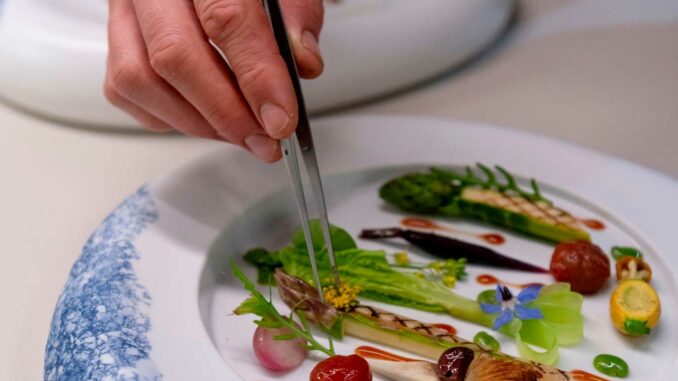
French cuisine is not just “rich food.” It is a method, a meal ritual, and a rulebook. Here is how it differs from Italy, Spain, Nordics, and Britain.
French cuisine stands out in Europe less because of “fancy dishes” and more because it treats eating as a structured social act and cooking as a codified craft. France built a strong national food grammar: sauces, stocks, reductions, precise cuts, and strict sequencing at the table. Many other European cuisines are just as serious, but they often privilege a different logic. Italy tends to protect simplicity, product purity, and regional continuity. Spain embraces sharing, high-heat techniques, and bold contrasts. Northern Europe leans into preservation, restraint, and seasonal minimalism. Central Europe often prizes comfort, acidity, and hearty starches. The UK and Ireland, after decades of reinvention, mix tradition with global pantry habits. Geography matters, too. Butter belts, olive oil belts, wine regions, and fishing coasts shape what feels “normal” in a pan. If you want a clean comparison, look at fats, sauces, meal structure, and the role of rules. That is where the real differences show.
The cultural contract around meals
French cooking begins with a cultural truth that many visitors underestimate: the meal is a ritual, not an interruption. France even has a UNESCO listing for a “gastronomic meal” as a social practice, with a clear emphasis on togetherness and taste as a shared pleasure. That is not a marketing slogan. It is a description of how people are expected to behave at the table.
Across Europe, the social contract changes.
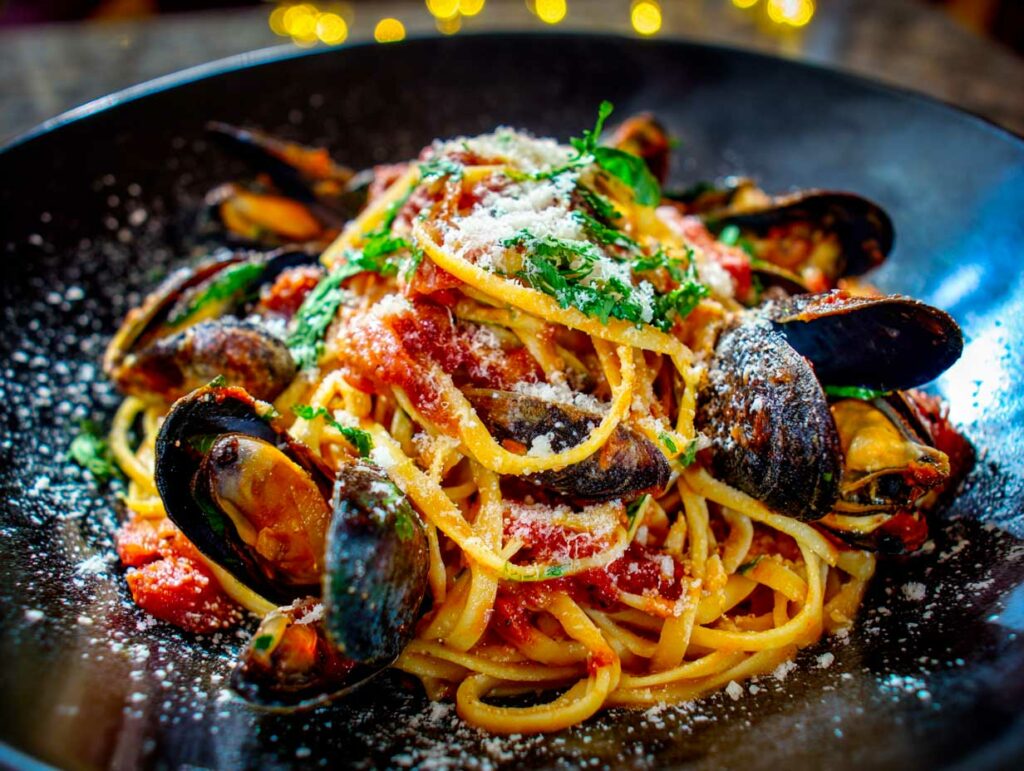
In Italy, the meal is also a ritual, but the center of gravity is often the family table and the regional identity. The “right way” is less about a national rulebook and more about local correctness. A ragù in Bologna is not negotiated.
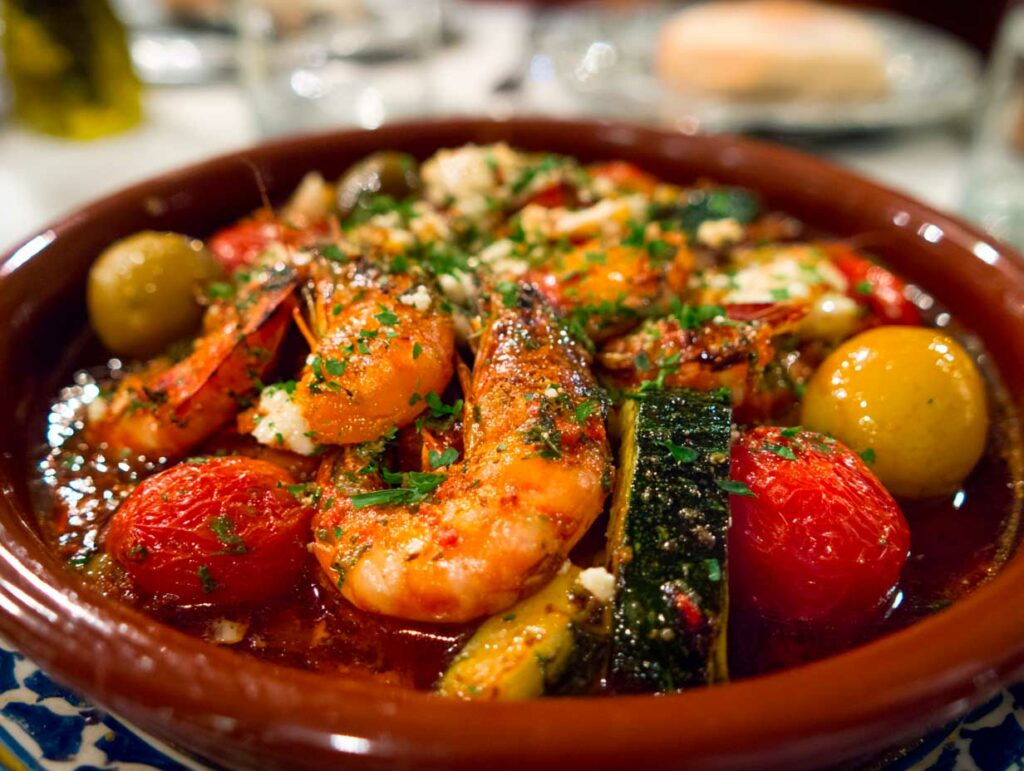
In Spain, the ritual is frequently built around groups, noise, late hours, and shared plates. The logic is social and kinetic. Tapas culture is not just food format. It is a lifestyle schedule.
In Nordic countries, the ritual is often quieter. It is shaped by seasonality, preservation, and the long winter. It is less about long sequences of courses and more about the quality of a few ingredients.
One blunt point: France is more likely to judge your meal by its structure and pacing. Other countries may judge it by the product itself, or by the moment you create around it.
The French obsession with rules and technique
French cuisine differs from many European cuisines because it is unusually systematized. French professional cooking historically turned into a method you can teach, test, and reproduce. Think of classic kitchen organization, strict stations, and a shared vocabulary for reductions, roux, emulsions, and stocks.
A practical example is the idea of the mother sauces. Whether you cook them daily or not, the concept matters because it shows how French cuisine frames cooking: build bases, then derive variations. This “base and derivative” mindset is less central in many other European traditions, where sauces exist, but are not always treated as a formal backbone.
This technical framing has consequences at home, too. French cooks are often comfortable with steps that feel “extra” elsewhere: browning in stages, reducing liquids, skimming, mounting with butter, resting, and serving in courses.
If you want a fast test, ask this: is the cuisine comfortable with turning time into flavor? French food often says yes, and then adds a procedure.
The geography of fats and the taste profile it creates
Europe is split by fat cultures. This is not a stereotype. It is measurable.
Olive oil is structurally dominant in Mediterranean cooking. The International Olive Council reports very high per-capita olive oil consumption in countries like Greece (9.3 kg), Spain (7.5 kg), and Italy (7.4 kg) in recent data. That shapes everything: sauté temperature, finishing aromas, and the way vegetables taste when they are treated as a main act.
France sits across several fat logics. Parts of the country are clearly Mediterranean. Provence cooks differently from Normandie. But French identity cooking is often associated with butter-based cooking, cream, and reductions, especially in the north and in classic restaurant cuisine.
This difference is not cosmetic. Butter pushes toward browned, nutty notes and round textures. Olive oil pushes toward fruitiness, peppery bitterness, and cleaner finishes. Put simply: fat choice dictates what “balanced” means.
The French idea of a “complete” meal
France tends to normalize the multi-course meal in a way that many Europeans do not, at least in daily life. A structured sequence still feels culturally “correct”: starter, main, cheese, dessert, often with bread and wine. This is also part of the UNESCO framing of the French meal ritual.
Compare that with common patterns elsewhere:
The Italian structure that prioritizes simplicity
Italy has courses, but the emotional core is often the product and the regional recipe. A pasta course can be the main event. The rule is: do not overcomplicate the ingredient. The French instinct is more willing to transform it.
The Spanish structure that prioritizes sharing and contrast
Spain often builds the meal from many small decisions. It can be a sequence, but not necessarily a formal one. The variety is in the table, not in the course order.
The Northern European structure that prioritizes season and preservation
In the north, you see more pickling, curing, smoking, rye breads, fermented dairy, and leaner seasoning. The “course logic” exists, but is not always the identity anchor.
A frank takeaway: France is more likely to treat the order of dishes as part of the cuisine itself, not just a serving choice.
The French pantry of protections and place-based identity
French cooking is deeply tied to terroir and to formal product protection systems. You see it in cheese, wine, and many regional goods. France has dozens of protected cheeses under AOP/PDO-type schemes, and that number is often cited around the mid-40s for AOP cheeses alone. The point is not the exact count. The point is the mindset: the origin and method are part of the product.
Wine is the same story. France’s appellation structure is dense, and it shapes how people cook and pair food. Even at home, recipes are often framed around the bottle, not just the other way around.
Other European cuisines have protected products as well, sometimes very strongly, but French food culture tends to weave these protections into everyday identity talk. It is normal to discuss a butter, a cheese, or a chicken by origin as if it were a surname.
The restaurant ecosystem and why it reinforces French identity
France’s restaurant culture matters because it constantly feeds back into home expectations. The Michelin Guide is a useful proxy here, not because it defines taste, but because it reveals density and infrastructure.
For the 2025 Michelin Guide France selection, Michelin lists 654 starred restaurants in France for that edition. That scale matters. It means technique-heavy cooking is not a niche hobby. It is a visible national industry.
In comparison, many European countries have world-class scenes, but the cultural role differs. In Denmark, for example, “New Nordic” cooking became a modern identity project. In France, the identity project has existed for generations, and it is broader than one movement.
A blunt point: France has an unusually strong pipeline from professional technique to public expectation. People argue about sauces because they have eaten enough of them to care.
The everyday time budget and what it reveals
Food culture is also about time.
French people have historically spent a lot of daily time eating compared with many countries. INSEE reported that eating took around 2 hours and 22 minutes per day in 2010, and that meal times remained concentrated around traditional meals.
That does not mean every French lunch is a film scene with wine. It means the norm still protects meal time more than in places where desk lunches are standard.
This time budget shows up in technique tolerance. If you have more protected meal time, you are more likely to accept a sauce that needs reducing, or a stew that improves overnight. If your culture compresses meals, you will optimize for speed and portability. That is a structural difference, not a moral one.
The flavor logic: transformation versus clarity
Here is the simplest technical contrast you can use when comparing French cuisine to other European cuisines:
The French logic often aims for controlled transformation
Stocks become sauces. Tough cuts become silky. Raw vegetables become layered garnishes. You build depth by adding steps.
The Italian logic often aims for clarity and restraint
Good tomatoes, good olive oil, good cheese, and correct timing can be the whole point. Too many steps can be seen as noise.
The Spanish logic often aims for intensity and contrast
You see it in smoked paprika, garlic, vinegar, cured pork, char, and seafood. The dish can be simple, but it rarely tastes timid.
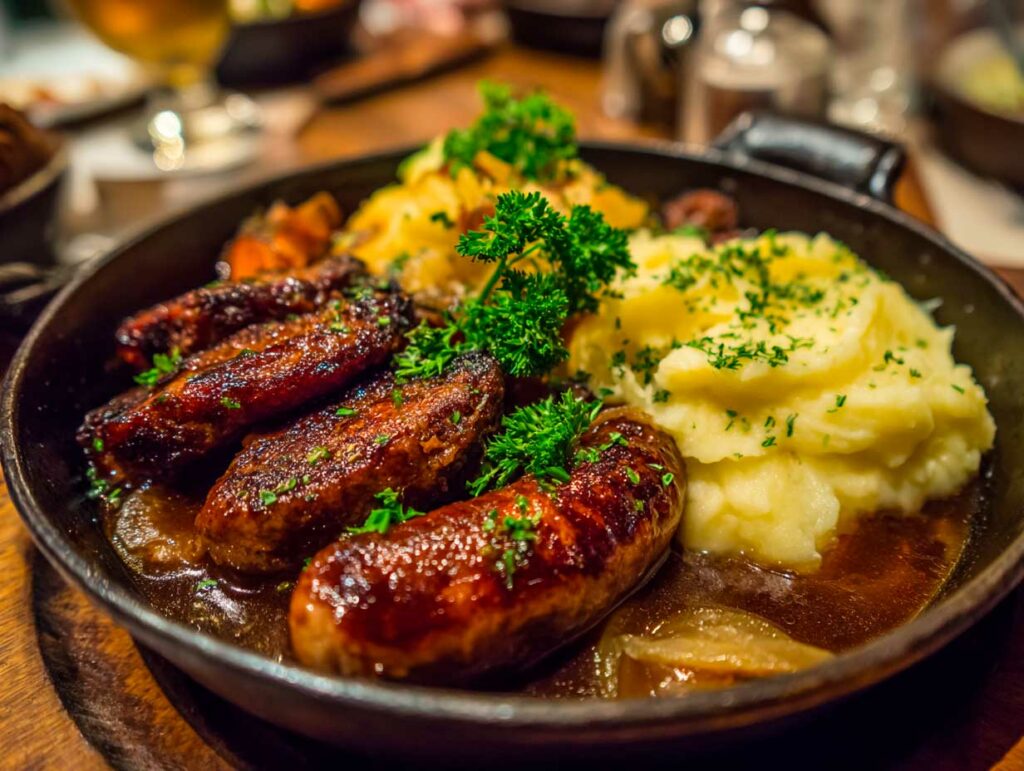
The Central and Eastern logic often aims for comfort and balance through acidity
Fermented vegetables, sour cream, caraway, dill, and slow braises create warmth and tang. This is not “less refined.” It is a different axis.
If you stop romanticizing and start comparing technical goals, the differences become obvious.
The smart way to cook “French” without pretending
If you want to adopt French habits at home, do not cosplay a restaurant.
Pick three habits that actually change outcomes:
- Build a better base. Brown properly. Deglaze. Reduce.
- Use salt with discipline. Season in layers, not at the end.
- Respect serving order when it helps. Lighter first. Heavier later.
Then steal from the rest of Europe with zero guilt. Finish a French roast with Spanish olive oil. Add Italian simplicity to a French vegetable side. Keep the French technique, but stop treating borders like walls.
The honest conclusion is this: French cuisine is distinctive because it is a method plus a social ritual, reinforced by institutions and habit. Other European cuisines are not “less.” They are often less centralized, less codified, and more locally defined. That is not a weakness. It is just a different way of deciding what tastes like home.
Cook in France is your independant source for food in France.