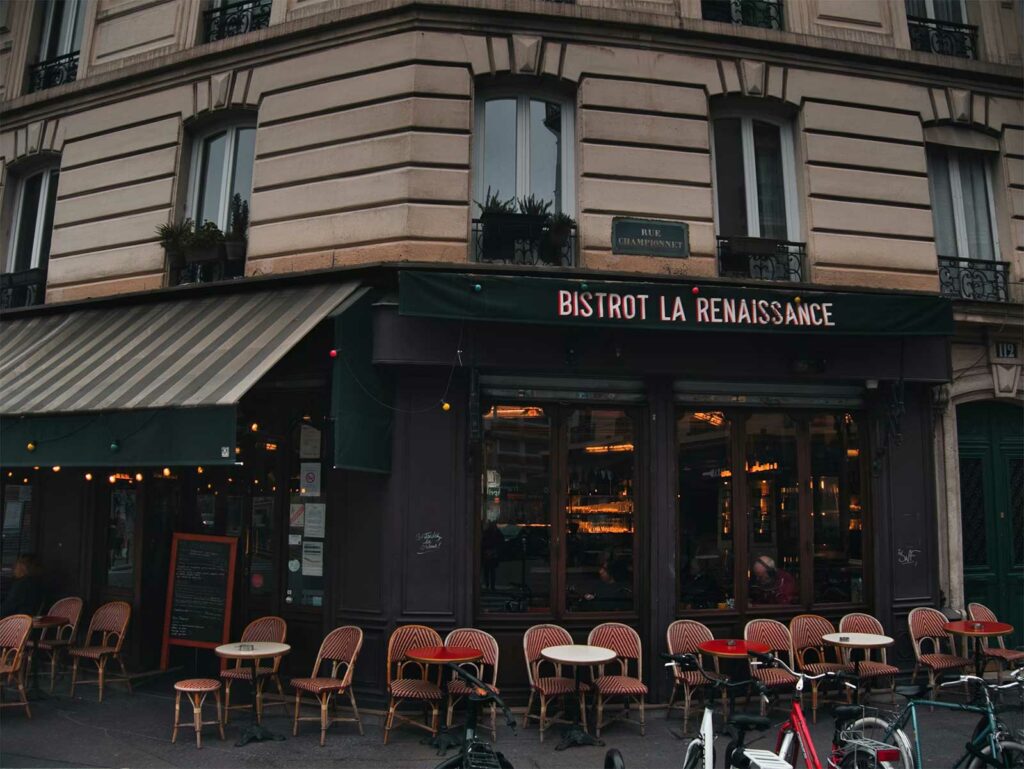
From Shanghai to Chengdu, China is reinventing French bistro culture as Gen Z embraces wine bars, aesthetics and relaxed European dining vibes.
China is experiencing a rapid rise in French-inspired bistro culture, especially among Gen Z consumers. On Xiaohongshu (RED), the hashtag “Bistro” has surpassed 110 million views in recent weeks. Young urban consumers are seeking intimate, wine-focused venues that deliver French aesthetics without formal etiquette. Shanghai has become the epicenter of this movement, with “Shanghai Bistro” emerging as a high-traffic keyword online. These venues combine natural wine, candlelit interiors and casual small plates. The trend reflects a broader shift toward vibe-driven consumption and European lifestyle symbolism. Ironically, while the traditional bistro may appear ordinary in France, it has become a marker of cultural capital and cosmopolitan cool in Chinese cities. The “Bistro-ification” of China reveals how global food culture is constantly reinterpreted through local aspiration.
The Digital Surge Behind the Bistro Craze
The rise of bistro culture in China is measurable. On Xiaohongshu, commonly known as RED, the hashtag “Bistro” has exceeded 110 million views. Engagement includes restaurant reviews, outfit recommendations and interior design inspiration.
This is not a marginal movement. In China, social media drives physical consumption. When a concept trends on RED or Douyin, foot traffic often follows within weeks.
Search data indicates that “Shanghai Bistro” has become a particularly high-volume keyword. Shanghai’s dining market, already the most international in mainland China, has adapted quickly.
The surge reflects a broader pattern in Chinese urban consumption. Young consumers no longer search simply for food quality. They search for atmosphere. The restaurant must photograph well. Lighting, tableware and typography matter as much as the menu.
The French bistro provides a ready-made aesthetic package. It signals culture, travel and urban refinement without requiring high-end gastronomy.
The Gen Z Search for Vibe Over Formality
Chinese Gen Z diners are driving this transformation. Born after 1995, this cohort values emotional resonance over traditional luxury markers.
They reject rigid fine dining rituals. They prefer relaxed seating, small tables and accessible wine lists. The appeal lies in what online users describe as “French vibe.”
The term “vibe-centric” is not abstract. It translates into specific features: exposed brick walls, handwritten chalk menus, dim candlelight and vinyl soundtracks. Portions are smaller. Plates are designed for sharing.
In contrast to high-end French restaurants, these bistros remove formality. No white tablecloths. No multi-course tasting menus priced at ¥1,500 (€190) per person.
Average spending per head in a Shanghai bistro ranges between ¥200 and ¥400 (€25–€50). This positions the format as aspirational but accessible.
The result is a hybrid space. It blends European codes with Chinese digital culture.
The Shanghai Dominance in French Wine Bars
Shanghai leads the trend for structural reasons. The city has long been China’s most outward-facing metropolis. It hosts over 9,000 foreign-invested enterprises and a large expatriate community.
The modern Shanghai Bistro often functions as a wine bar. Natural wine has grown rapidly in Chinese tier-one cities. Import data shows steady increases in small-batch French wine shipments over recent years.
These establishments frequently list 50 to 150 labels. A glass of natural wine may cost ¥70 to ¥120 (€9–€15). Bottle prices range from ¥300 to ¥800 (€38–€100).
Neighborhoods such as Former French Concession have become hotspots. The architectural backdrop reinforces the narrative of authenticity.
Interior designers consciously reference Parisian minimalism. Marble tabletops and brass details dominate. Even typography on menus mimics French café script.
Shanghai’s dominance is not accidental. It has infrastructure, audience and spending power.
The Reinvention of the Word “Bistro”
In France, the term “bistro” evokes familiarity. It implies neighborhood comfort, daily specials and affordable wine. It is rarely associated with novelty.
In China, the term is being redefined. The “Bistro-ification of China” transforms the word into a symbol of modern cosmopolitanism.
The irony is clear. What feels ordinary in Paris becomes fashionable in Chengdu. Social media reframes the concept.
Chinese netizens often tag venues as “法式小酒馆” (French-style small tavern). The emphasis is on intimacy and European sensibility.
This reinvention mirrors earlier trends. Coffee culture underwent similar reinterpretation. Italian espresso bars became lifestyle destinations in Shanghai long after being routine in Rome.
The Chinese market does not import culture passively. It rebrands and elevates it.
The Economic Logic Behind the Trend
The rise of French bistro culture in China is not purely aesthetic. It responds to economic shifts.
China’s middle class, estimated at over 400 million people, continues to expand urban consumption. While growth rates have moderated, discretionary spending on dining remains resilient in tier-one cities.
High-end fine dining has become volatile. Expensive French restaurants struggle with fluctuating demand. Bistro formats offer lower operational risk.
Smaller spaces, limited menus and moderate price points improve turnover. Average restaurant size for a Shanghai bistro ranges between 80 and 150 square meters (861–1,615 sq ft). Seating capacity typically remains below 60 covers.
Operational simplicity matters. Fewer staff. Shorter menus. Faster service cycles.
The model aligns with contemporary spending habits.
The Aesthetic Economy of Social Media
The success of the bistro format is inseparable from digital platforms. RED users curate their lifestyle through posts.
Restaurants design spaces for photography. Candlelight creates visual depth. Natural wine bottles serve as decorative props.
Online reviews often prioritize ambiance over culinary critique. Comments focus on mood, music and plating.
The hashtag economy reinforces repetition. As more venues adopt French aesthetics, the visual code becomes standardized.
This creates a feedback loop. Consumers expect certain features. Restaurateurs replicate them.
The aesthetic becomes the product.
The Cultural Significance of Wine
Wine plays a central role in the trend. Historically, China was not a wine-drinking culture. Beer and spirits dominated.
However, wine imports have grown over the past two decades. France remains a leading supplier by value.
Natural wine and biodynamic labels carry cultural cachet. They symbolize authenticity and European savoir-faire.
Wine knowledge also functions as soft status signaling. Discussing terroir or grape varieties indicates global awareness.
In Shanghai’s bistro scene, wine is not secondary. It defines the experience.
The Spread Beyond Shanghai
While Shanghai leads, cities such as Chengdu and Shenzhen are catching up. Chengdu, known for its relaxed pace and culinary openness, has embraced the concept.
Local entrepreneurs reinterpret French menus with regional touches. Duck confit may share space with Sichuan-inspired small plates.
The model adapts without losing its core aesthetic.
Search data suggests rising interest in “Chengdu Bistro” as a related term.
The diffusion indicates a broader urban phenomenon rather than a passing fad.
The Broader Context of Global Food Trends
The Bistro-ification of China fits into a wider pattern of cultural hybridization. Korean cafés, Japanese izakayas and Italian trattorias have undergone similar transformations.
Global cuisine functions as symbolic capital. It signals sophistication without political overtones.
French culinary culture holds particular resonance. It represents tradition and refinement. Repackaged in a relaxed format, it becomes approachable.
The French bistro, stripped of rigid etiquette, aligns with Chinese urban youth identity.
The Meaning Behind the Moment
China’s embrace of French bistro culture reflects more than dining preferences. It reveals generational aspiration.
Young urban consumers seek spaces that feel international yet informal. They reject ostentation but embrace symbolism.
The transformation of the word “bistro” illustrates how cultural concepts travel. They shed original context. They acquire new meaning.
What appears routine in Paris becomes aspirational in Shanghai.
The Bistro-ification of China shows that culinary trends are rarely linear. They are cyclical and adaptive. The French bistro may feel timeless at home. In China, it currently represents the frontier of cool.
Cook in France is your independant source for food in France.