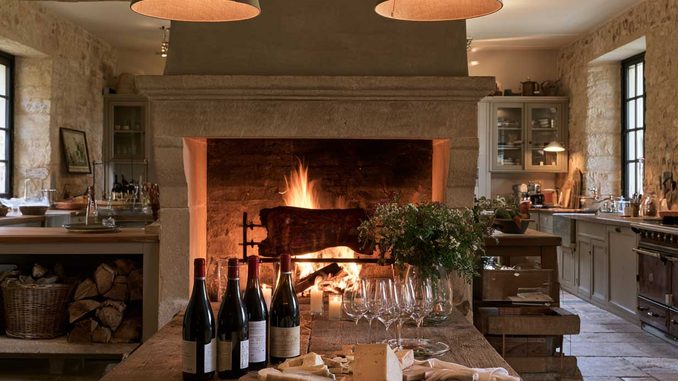
Game returns to French restaurants in autumn 2026, from Emmanuel Renaut’s Alpine tasting menu to Olivier Nasti’s venison and Parisian brasserie classics.
Game is back on French restaurant menus this autumn, with chefs revisiting one of the country’s oldest culinary traditions. From 8 October to 1 November 2026, Emmanuel Renaut offers a €350 Menu Chasse at his three-Michelin-starred Flocons de Sel in Megève. In Alsace, Olivier Nasti celebrates wild game through a five-week hunting festival at Le Chambard, running until 17 November, including his signature venison tartare with Osciètre caviar.
Paris offers more accessible alternatives. From early November, Bofinger, Le Procope and Au Pied de Cochon will serve venison and wild boar dishes priced between €25.50 and €28.50. Elsewhere, chefs are returning to hare à la royale, game pies, wood pigeon and partridge.
Beyond the restaurants, this seasonal resurgence highlights the technical demands of cooking wild meat, the importance of regional sourcing and the continuing place of hunting traditions in French gastronomy.
The autumn hunting season brings wild game back to French tables
By late October, France’s restaurant kitchens have exchanged summer tomatoes and stone fruit for mushrooms, chestnuts, root vegetables and wild game. Venison, wild boar, hare, pheasant and partridge are returning to menus, particularly in regions where hunting remains closely associated with local food culture.
The renewed attention is visible at both ends of the restaurant market. Michelin-starred chefs are constructing elaborate tasting menus around forest ingredients, while established Parisian brasseries are serving traditional game dishes at considerably lower prices.
The difference lies in preparation rather than the ingredient itself. Wild game can be roasted, braised, confited, minced into pâté or enclosed in pastry. Its flavour varies according to species, age, diet and handling after the hunt.
The strongest seasonal menus make those differences apparent rather than masking everything beneath heavy sauces.
The Alpine kitchens of Emmanuel Renaut celebrate mountain game
The Menu Chasse at Flocons de Sel in Megève
At three-Michelin-starred Flocons de Sel, Emmanuel Renaut has made mountain game a defining element of his autumn cooking.
His 2026 Menu Chasse, priced at €350 per person, runs from 8 October until 1 November. The restaurant stands at 1,775 route du Leutaz, above Megève, surrounded by the Alpine landscape that shapes much of Renaut’s cooking.
Renaut has long championed roe deer, chamois, red deer and wild boar. Earlier seasonal creations include chamois pie flavoured with juniper, roasted roe deer with beetroot purée and blackberry jus, and venison shoulder braised in Mondeuse, a red grape associated with Savoie.
These preparations illustrate the discipline behind his approach. Lean cuts require controlled cooking to preserve tenderness. Shoulders and other working muscles benefit from longer braising, which softens connective tissue and produces a concentrated sauce.
For readers interested in the chef’s broader philosophy, Emmanuel Renaut’s Alpine gastronomy offers further context on his use of mountain ingredients.
Nearby, in Abondance, Thomas Flachaire offers another interpretation at Chalet Flachaire. His eight-course Menu Chasse & Forêt is scheduled every Thursday in October and November, at €120 per person.
The Alsatian hunting festival turns game into a gastronomic event
The venison tartare and caviar of Olivier Nasti
In Kaysersberg, chef Olivier Nasti has developed one of France’s most extensive restaurant programmes devoted to game.
His fourth Festival de la Chasse, held at Le Chambard from 12 October to 17 November 2026, spans five themed weeks covering large game, game birds, savoury pies, hare and furred game.
At the two-Michelin-starred La Table d’Olivier Nasti, the €255 menu L’Éveil des Bois includes a signature preparation called L’Insolite.
The dish combines matured red deer tartare with Osciètre caviar from Kaviari and a frozen element made with wild sorrel. The preparation deliberately contrasts the delicacy of finely cut venison with the salinity of caviar.
Nasti’s published recipe uses approximately 150 g of venison fillet and 120 g of caviar for eight portions.
The festival also includes a world game-pie championship held on 27 October, followed by a themed evening devoted to lièvre à la royale on 3 November. A closing dinner on 17 November will bring together several guest chefs, including Emmanuel Renaut.
The Parisian brasseries make game cooking more accessible
In Paris, autumn game does not require a tasting-menu budget.
At Bofinger, near place de la Bastille, roasted venison steak with autumn vegetables and sauce grand veneur will be served for €27.50, from 3 to 29 November.
Le Vaudeville, opposite the Bourse, will offer a similar venison preparation with pommes Anna and poivrade sauce at the same price.
At Au Pied de Cochon, near Les Halles, a sealed-pot wild boar civet with red-wine sauce, mushrooms, carrots and smoked bacon will cost €25.50 during November. Le Procope, in Saint-Germain-des-Prés, will serve a traditional wild boar civet for €28.50, alongside a €34.50 wild-duck pithiviers with foie gras on selected Sunday lunches.
Éric Frechon’s Brasserie Lazare has also announced autumn game dishes from 1 November, including confit wood pigeon with Puy lentils and foie gras at €39, and hare civet at €44.
At the more expensive end, La Grande Cascade in the Bois de Boulogne offers red-legged partridge in a cereal crust, accompanied by cabbage, celeriac risotto and a cromesquis made from the leg. The dish costs €82 and is scheduled through mid-December.
The regional restaurants preserve France’s traditional game recipes
Game cooking remains particularly associated with Sologne, the Vosges, the Alps and rural southwestern France.
At Fleur de Loire in Blois, Christophe Hay’s seasonal Retour de chasse menu draws on Sologne’s hunting heritage, with ingredients such as partridge, venison, wild boar and hare.
In Grosrouvre, west of Paris, Auberge du Chasseur serves game terrine with cranberry preserves and traditional hare à la royale.
These restaurants demonstrate how regional French culinary traditions continue to influence contemporary menus. Game is not treated as an interchangeable meat. Local accompaniments, cooking fats and wines remain central to each preparation.
The technical challenge of cooking wild game
The difference between civet, confit and lièvre à la royale
Wild meat generally contains less intramuscular fat than heavily marbled domestic meat, although composition varies considerably between species and cuts.
This affects cooking.
A roasted venison loin needs careful temperature control, while wild boar shoulder benefits from slow, moist cooking. Traditional civet involves braising meat with wine and aromatics, then reducing the cooking liquid into a substantial sauce.
Lièvre à la royale is more elaborate. Traditional versions involve prolonged cooking, sometimes incorporating foie gras, truffles and a sauce thickened with the animal’s blood.
Confit relies on slow cooking in fat. Wood pigeon, for instance, can be prepared by cooking the legs in duck fat while treating the lean breast separately.
The sauces are equally important. Grand veneur typically builds on a game stock or poivrade base, with wine, acidity and sometimes redcurrant jelly or cream.
These methods belong to the technical foundations of traditional French cooking, where reductions, stocks and carefully managed temperatures determine the finished dish.
The provenance of wild meat matters as much as its preparation
The return of game also raises questions about sourcing and food safety.
Wild animals are not equivalent to farmed livestock. Their diet, age and condition vary, while handling and refrigeration after hunting can materially affect meat quality.
France’s Ministry of Agriculture updated its guidance on the commercial distribution of wild game in September 2026. The rules address hygiene, traceability and permitted supply channels.
Wild boar requires particular attention because of the risk of Trichinella parasites. Testing is required before wild boar meat enters commercial supply chains. French health authorities recommend cooking potentially affected meat thoroughly; freezing alone cannot reliably eliminate the risk.
Restaurants therefore need reliable suppliers and documented controls. For customers, asking whether the meat is wild or farmed, and where it originated, is reasonable.
The short season gives diners a reason to plan ahead
Many of the most interesting menus have limited dates. Renaut’s Menu Chasse ends at the beginning of November, whereas Nasti’s festival continues until 17 November and several Parisian brasseries begin their game offerings on 3 November.
Prices range from €25.50 for a traditional wild boar civet to €350 for an elaborate Alpine tasting menu. That breadth makes autumn game cooking accessible to different audiences without reducing it to a luxury speciality.
The more important development is culinary. Chefs are preserving demanding preparations while adjusting them to modern expectations of tenderness, balance and restraint.
For diners interested in French gastronomy, autumn 2026 offers an opportunity to see how the country’s hunting heritage continues to influence its restaurant kitchens.