Discover Maroilles, the iconic cheese of Hauts-de-France, its medieval origins, PDO protection, production process, bold flavor and role in regional cuisine.
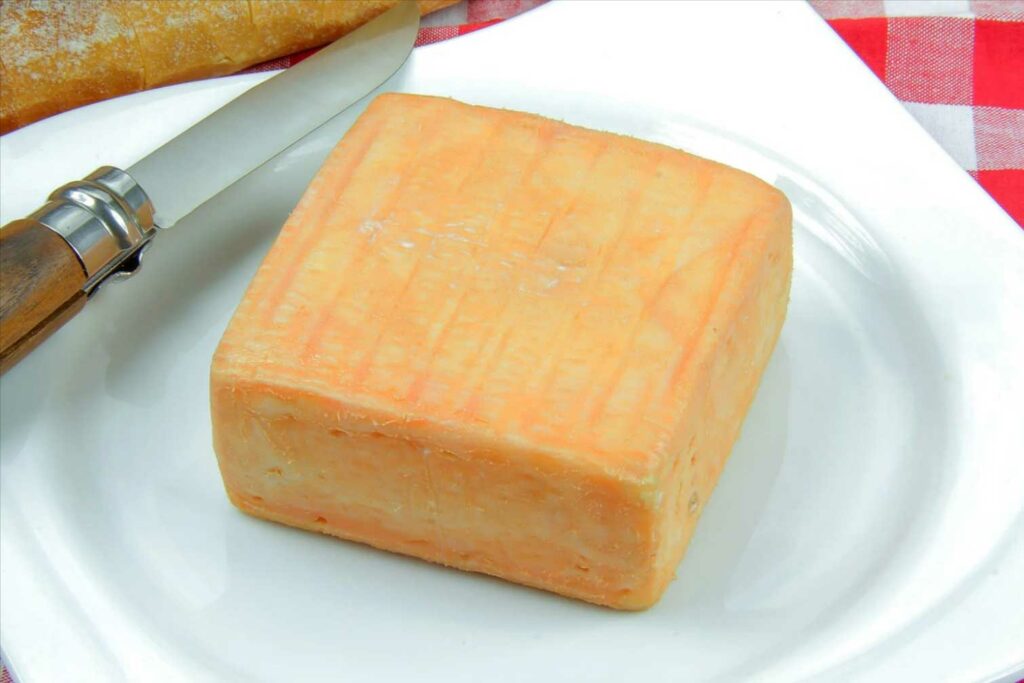
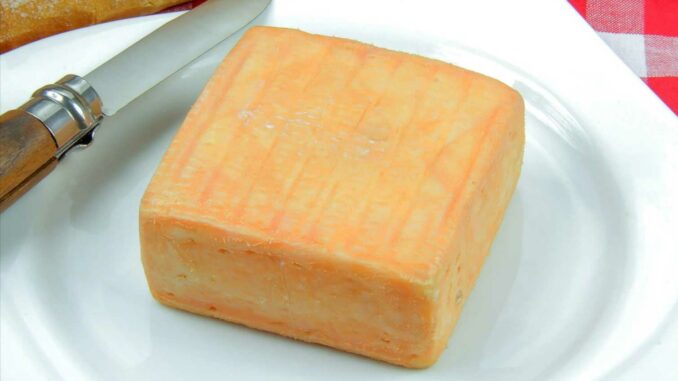
In the northern region of Hauts-de-France, close to the Belgian border, a square cheese with a copper-orange rind commands attention: Maroilles. Known for its intense aroma and soft, creamy interior, Maroilles is one of France’s most distinctive cheeses. It is deeply rooted in the rural landscapes of Thiérache, where dairy farming has shaped local identity for centuries. Often described as powerful and uncompromising, Maroilles is both admired and debated. For cheese professionals and culinary historians, it represents a model of regional specialization protected by law and tradition.
The Medieval Birth of Maroilles in Thiérache
The origins of Maroilles date back to the 10th century. Historical accounts attribute its creation to monks at the Abbey of Maroilles, located in the Thiérache region. These Benedictine monks developed dairy production as part of their agricultural system. The cheese was initially known as “Craquegnon,” a term that gradually disappeared as production techniques stabilized.
By the 13th century, the cheese appeared under the name “Maro Lalo,” later shortened to Maroilles. Its reputation extended beyond local markets. French monarchs such as Philip II and Louis IX reportedly appreciated it. This early recognition positioned Maroilles within the broader narrative of French gastronomy.
Production remained geographically concentrated. The humid climate of Thiérache, combined with pasture quality, influenced milk characteristics. Unlike cheeses industrialized early, Maroilles retained localized methods.
In 1976, Maroilles obtained Appellation d’Origine Contrôlée (AOC) status. In 1996, it received Protected Designation of Origin (PDO) recognition within the European Union. These certifications legally restrict production to defined zones and require adherence to strict specifications. They ensure that Maroilles remains inseparable from its territory.
The Strict Production Process Behind the Aroma
Maroilles is made from cow’s milk. The production process is precise and regulated. The cheese is traditionally shaped into a square measuring approximately 13 centimeters in length and 6 centimeters in height, weighing about 700 grams.
Several smaller formats exist. The Sorbais weighs around 550 grams. The Mignon weighs 350 grams. The Quart weighs 180 grams. Each format has a specific maturation timeline ranging from five weeks for the smallest to several months for larger wheels.
The process unfolds in stages:
Curdling begins with the addition of cultures and rennet. The milk coagulates into curd. The curd is cut and placed into molds to drain naturally.
Salting follows molding. Salt enhances preservation and flavor development.
Drying takes place in ventilated rooms for about 10 days. During this phase, the surface begins to develop bacterial flora.
Washing and aging define Maroilles’ identity. The rind is washed regularly with salted water. This encourages the growth of Brevibacterium linens, responsible for the characteristic orange-red color and pungent aroma.
The cheese is turned and washed several times a week during maturation. Aging lasts a minimum of five weeks. Extended aging intensifies the flavor and softens the interior.
The finished product has an ivory to pale yellow interior. The texture is supple and slightly elastic. The smell is strong but not aggressive once tasted. The flavor profile combines earthy, nutty and slightly sweet notes with a persistent finish.
The Culinary Role of Maroilles in Northern France
Maroilles is not merely consumed on a cheese board. In Hauts-de-France, it plays a central role in regional cooking.
The most famous preparation is Tarte au Maroilles. This savory tart consists of yeast-based dough topped with slices of Maroilles and cream. It is baked until the cheese melts and caramelizes slightly. The dish is typically served with a simple green salad to balance richness.
Maroilles is also incorporated into gratin dishes. Its melting properties allow it to coat potatoes or root vegetables evenly. In meat preparations, it can be used in sauces to accompany pork or poultry.
Chefs increasingly reinterpret Maroilles in contemporary cuisine. Some integrate it into espuma foams or reduce it into concentrated sauces for fine dining applications. Despite innovation, the cheese retains its regional character.
The Pairings That Balance Its Intensity
Pairing Maroilles requires beverages capable of matching its strength. In northern France, beer is the natural companion. Amber ales or strong Belgian-style beers provide malt sweetness that offsets the cheese’s savory depth.
Cider offers another traditional pairing. Its acidity cuts through the creamy texture.
For wine enthusiasts, full-bodied red wines such as Châteauneuf-du-Pape or certain Syrah-based blends can harmonize with Maroilles’ robust character. White wines with high acidity may also provide contrast, though pairing preferences vary.
The choice of beverage influences perception. When balanced properly, Maroilles reveals nuance rather than dominance.
The Market Position and Consumer Trends
France remains one of the world’s largest cheese consumers. Average annual consumption is approximately 27.4 kilograms per person. Maroilles represents a small fraction of this total but maintains a dedicated regional market.
The cheese’s strong aroma can deter casual buyers. However, it appeals to consumers seeking authenticity.
Media exposure has influenced sales patterns. Following the release of the film “Bienvenue chez les Ch’tis,” which highlighted northern culture, Maroilles sales reportedly increased by 25% between 2008 and 2010.
During the first COVID-19 lockdown in 2020, sales declined sharply by approximately 70%. Restaurant closures and disrupted supply chains affected artisanal producers. Recovery has since stabilized the market.
Pricing for PDO-certified Maroilles averages around €38.87 per kilogram. Smaller formats typically retail between €6 and €10 depending on maturation and producer. Artisanal dairies may charge higher prices reflecting limited production and manual handling.
The Symbol of Regional Identity
Maroilles embodies Hauts-de-France. It reflects a region shaped by agriculture, monastic heritage and cross-border influences.
Its square shape distinguishes it visually from round cheeses such as Camembert or Brie. Its aroma differentiates it from milder varieties. These elements reinforce identity.
In local markets, Maroilles is not treated as an exotic specialty. It is part of daily life. Families purchase it from small fromageries that have supplied generations.
Protected designation status ensures that industrial standardization cannot erase its specificity. The milk must come from defined geographic areas. Production must follow established rules.
This regulatory framework protects both producers and consumers.
The Continuing Relevance of Maroilles
In a global cheese market dominated by standardized production, Maroilles remains rooted in terroir. Its production volume is modest compared to major French cheeses, yet its reputation endures.
Its strength is also its challenge. Modern consumers increasingly favor milder flavors. However, culinary trends often return to authenticity. Strong cheeses regain attention when chefs seek depth and character.
Maroilles does not attempt to please universally. It offers a clear identity shaped by place and time.
For visitors exploring northern France, tasting Maroilles provides insight into regional culture. For professionals in gastronomy, it represents the balance between tradition and regulation.
Cook in France is your independant source for food in France.