An in-depth look at the top luxury brasseries in Paris, from Le Train Bleu to Lipp, with décor, cuisine, atmosphere, prices and booking advice.
Paris remains the global reference for the luxury brasserie. These restaurants combine historic décor, polished service and traditional French cuisine at scale. Among the most respected are Le Train Bleu, La Coupole, Brasserie Lipp, Le Grand Colbert, and La Rotonde. Each offers a distinct identity. Some stand out for Belle Époque frescoes and 19th-century architecture. Others are known for political history, literary clientele, or Art Deco interiors. Average main courses range from €28 to €65. Wine lists are extensive and often emphasize French regions. Reservations are strongly advised at peak times, especially evenings and weekends. These establishments are not experimental tasting-menu restaurants. They are institutions built on continuity. For visitors seeking a top brasserie in Paris with character, history and reliable cuisine, these five remain benchmark addresses.
The Grand Setting of Le Train Bleu
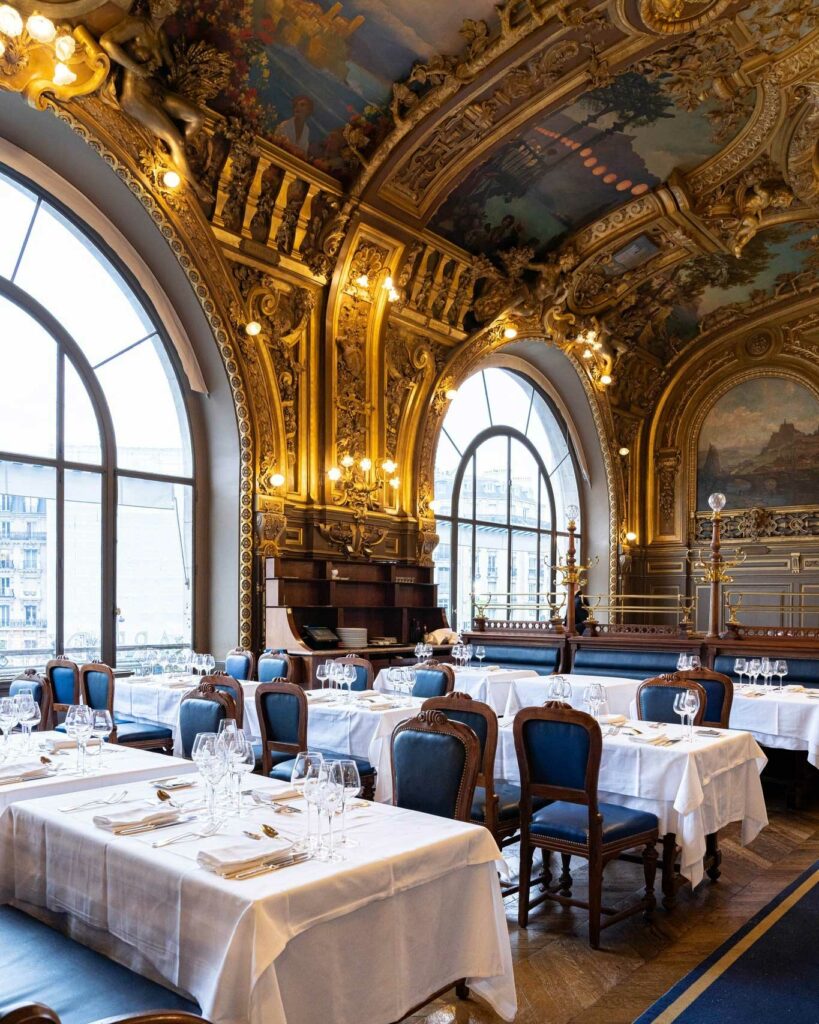
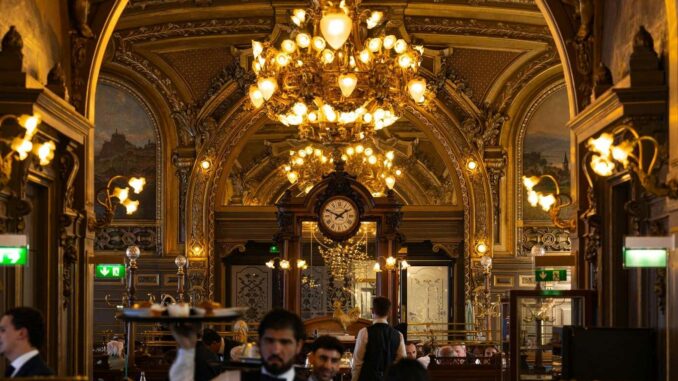
Located inside the Gare de Lyon, Le Train Bleu is arguably the most theatrical luxury brasserie in Paris. Opened in 1901 for the Exposition Universelle, the restaurant was designed to impress travellers boarding trains to the Riviera. The dining room covers approximately 1,000 m² (10,764 sq ft). It features gilded moldings, chandeliers and large ceiling frescoes representing French cities.
The atmosphere is formal but not stiff. Service is experienced and structured. Tables are widely spaced, unusual by Paris standards. This makes it suitable for business lunches and celebratory dinners.
The cuisine follows classical French lines. Signature dishes include roasted rack of lamb and “Belle Gabrielle” dessert with Grand Marnier soufflé. Main courses typically range between €38 and €62. Portions are generous.
It is famous because it delivers spectacle without sacrificing consistency. It ranks highly in travel publications due to its décor rather than culinary innovation. Advance booking is essential for dinner and weekend lunch. Walk-ins are possible at off-peak hours but unpredictable.
The Art Deco Powerhouse of La Coupole
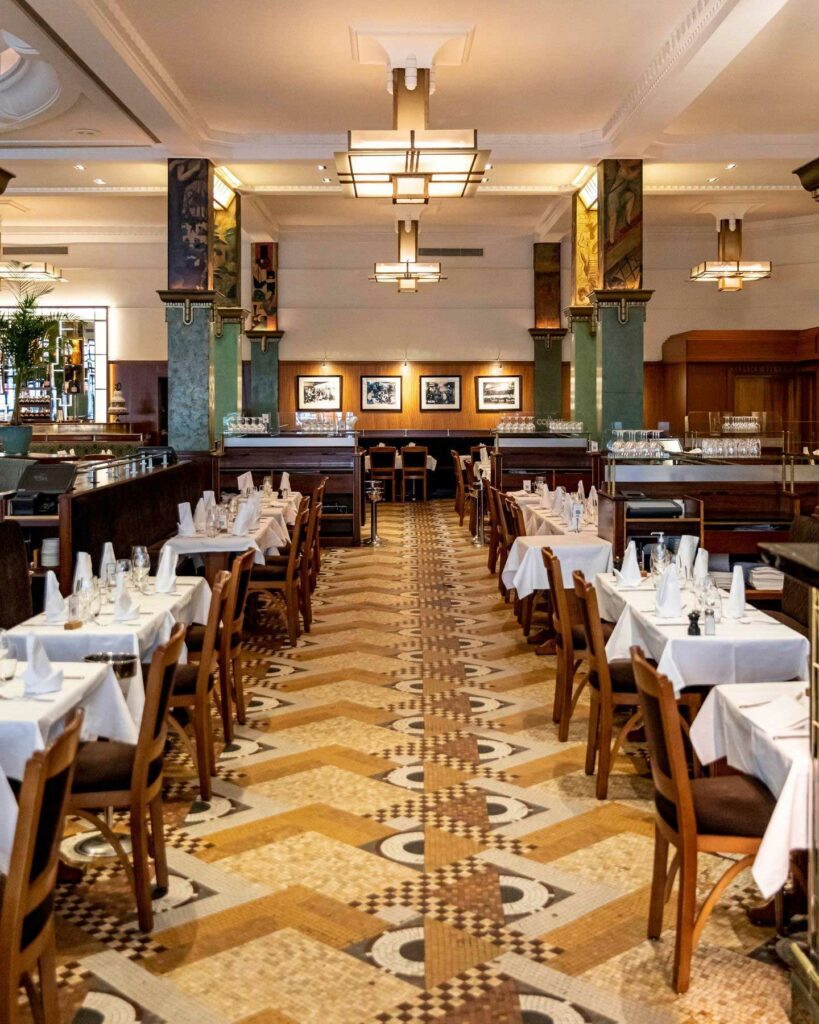
Founded in 1927 in Montparnasse, La Coupole embodies the interwar Parisian brasserie. The space seats around 400 guests. Its defining feature is the row of painted columns created by artists of the time. The Art Deco style remains intact.
Historically, it attracted writers and painters such as Josephine Baker and Ernest Hemingway. Today, the clientele is international but still mixed with Parisians. The atmosphere is lively. Noise levels can be high in peak service.
La Coupole is best known for seafood. Its large platters display oysters from Normandy and Brittany. A seafood platter for two can exceed €120 depending on selection. Classic brasserie dishes such as choucroute and steak tartare are staples.
It is considered a top brasserie in Paris because it handles volume without losing identity. It is less intimate than smaller establishments, but that scale is part of its appeal. Booking ahead is strongly advised, particularly during fashion weeks and holiday seasons.
The Political Institution of Brasserie Lipp
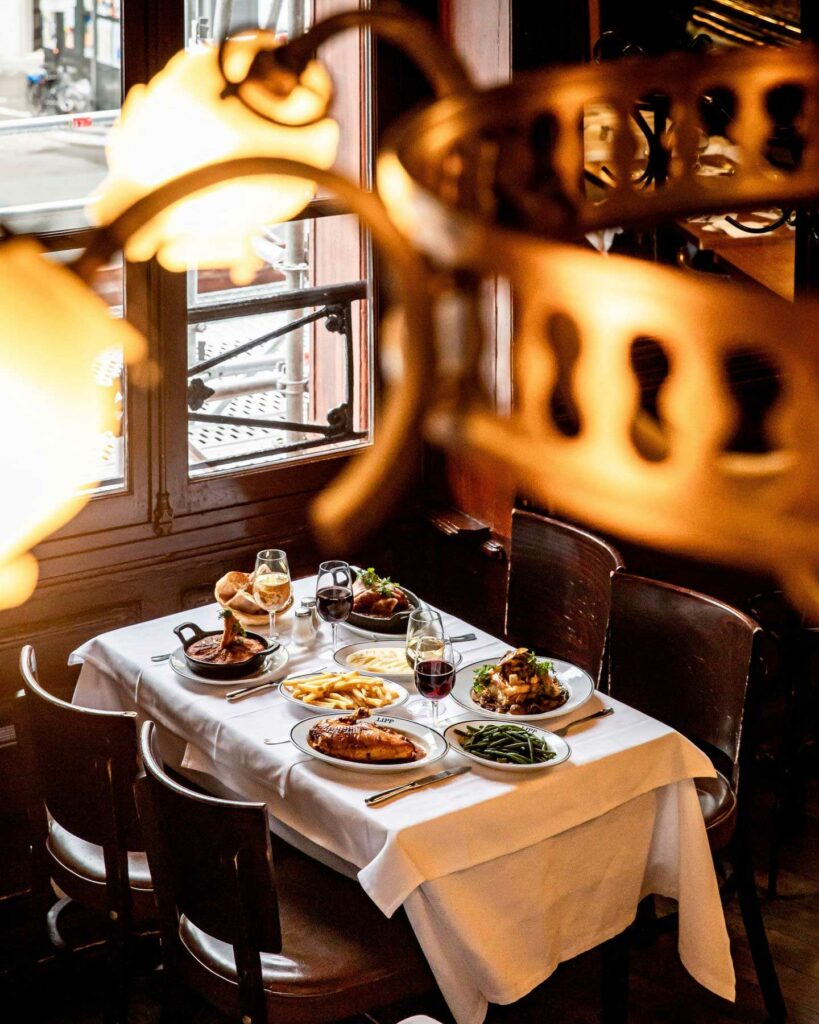
Established in 1880 in Saint-Germain-des-Prés, Brasserie Lipp has long been associated with French political and literary life. Presidents, journalists and publishers have frequented its tables.
The décor is restrained. Tiled walls and mirrored panels dominate. Compared with Le Train Bleu or La Coupole, Lipp feels more compact. The service is brisk. Tables are close together. It reflects the classic Left Bank brasserie spirit.
The food is traditional Alsatian and French. Choucroute garnie remains the emblematic dish. Expect prices between €25 and €45 for mains. The wine list is strong in Alsace and Bordeaux.
Lipp is famous not for opulence but for influence. It represents continuity. It has received Michelin Bib Gourmand recognition in past years for value rather than haute cuisine.
Reservations are advisable at lunch on weekdays. Political and publishing circles still use it as a meeting place. Evenings are more accessible but rarely empty.
The Belle Époque Revival of Le Grand Colbert
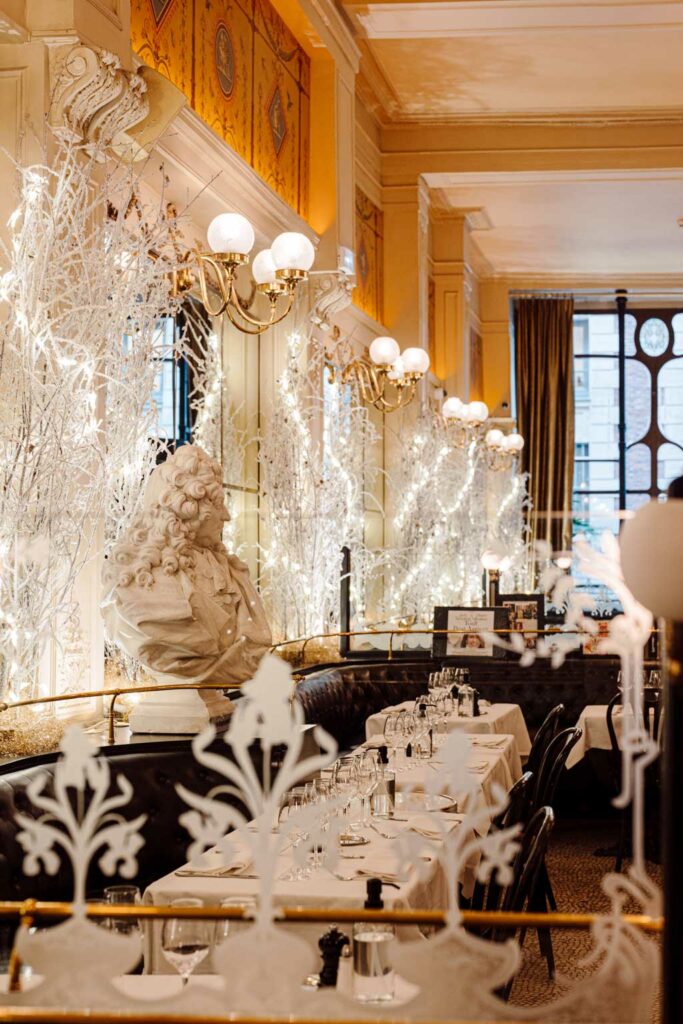
Located near Galerie Vivienne, Le Grand Colbert presents a more intimate luxury brasserie experience. Originally opened in 1900 and restored in the 1980s, it blends Belle Époque detailing with a calmer atmosphere.
The dining room features large mirrors, brass fittings and mosaic floors. It seats around 200 guests. Compared with La Coupole, acoustics are softer.
Le Grand Colbert gained international visibility after appearing in the film “Something’s Gotta Give.” This increased tourist interest. However, it maintains credibility with locals.
The cuisine focuses on seafood and classic brasserie fare. Lobster linguine and roasted sea bass are popular. Main dishes range from €28 to €55. Presentation is more refined than average brasserie standards.
It ranks among the best brasseries in Paris because it balances heritage and comfort. Booking is recommended, especially before theatre performances in the nearby Opéra district.
The Literary Legacy of La Rotonde
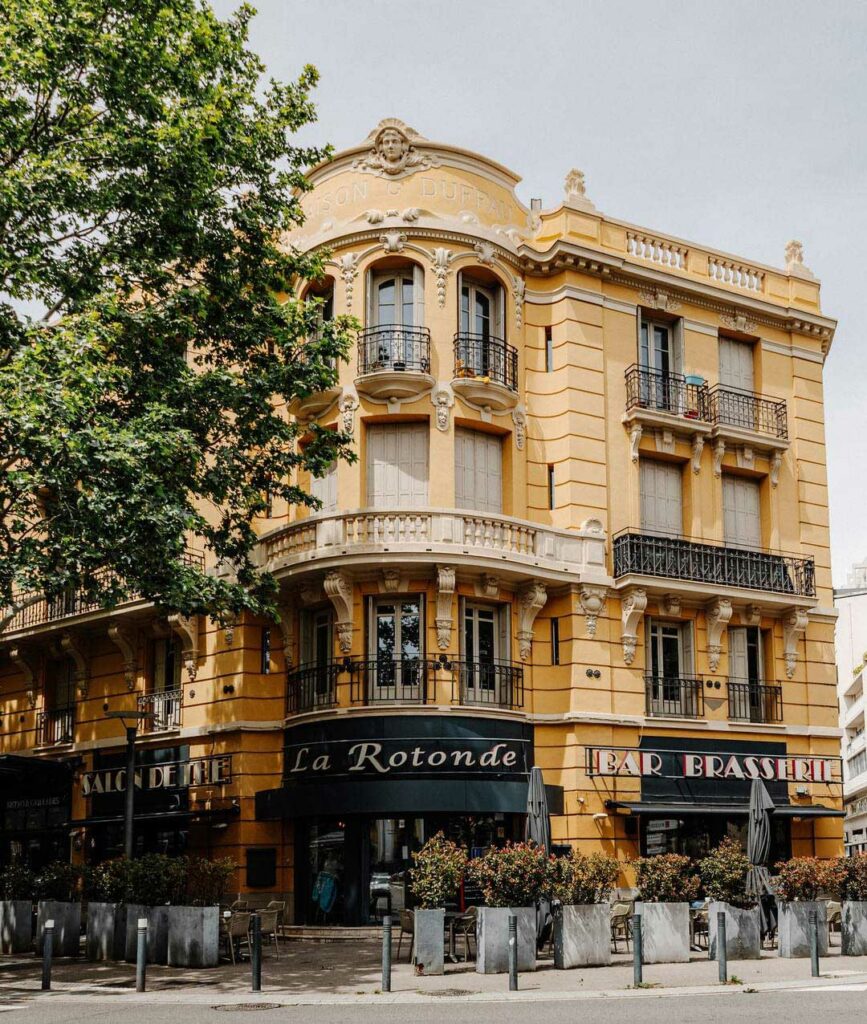
Founded in 1911, La Rotonde stands on Boulevard du Montparnasse. It was a hub for artists during the early 20th century. Picasso and Modigliani were among its early patrons.
The décor combines red banquettes, brass rails and mirrored walls. The terrace remains one of the most visible in Montparnasse. It is active year-round thanks to outdoor heaters.
The menu is broad. It includes onion soup, duck confit and seafood platters. Prices align with other high-end brasseries, with mains between €30 and €60.
La Rotonde is famous for atmosphere. It retains the intellectual aura of Montparnasse while adapting to contemporary tourism. It does not aim for gastronomic experimentation. Its value lies in ambiance and reliability.
Reservations are highly recommended on weekends. The terrace fills quickly in spring and summer.
The Shared DNA of a Luxury Brasserie in Paris
What defines a luxury brasserie in Paris is not Michelin stars. It is scale, décor and service continuity. These restaurants often seat between 150 and 400 guests. They operate from morning until late evening. They provide printed menus rather than tasting sequences.
Price positioning is mid-to-high. Expect a three-course meal with wine to range between €70 and €120 per person. Wine mark-ups are significant but selections are broad.
Originality does not come from avant-garde technique. It comes from architectural setting and institutional history. Frescoes, Art Deco columns and tiled walls function as cultural capital.
Booking policies vary, but digital reservations are standard. During peak tourist months, reservations should be made at least three to five days in advance.
The Enduring Appeal of the Top Brasseries in Paris
The top brasseries in Paris endure because they offer something stable. In a dining scene increasingly focused on small tasting-menu restaurants, these large establishments maintain accessibility. They accept large groups. They serve familiar dishes. They represent Paris in a way visitors recognize.
For travelers seeking a best brasserie in Paris with visible heritage, these five addresses remain central. They are not interchangeable. Each reflects a distinct chapter of Parisian social life. Choosing among them depends on whether one prefers Belle Époque grandeur, Art Deco spectacle, political intimacy or literary history.
Their continued relevance lies in their ability to combine scale, décor and culinary reliability without drifting into caricature. That balance is difficult to maintain. In Paris, only a handful manage it at this level.
Cook in France is your independant source for food in France.