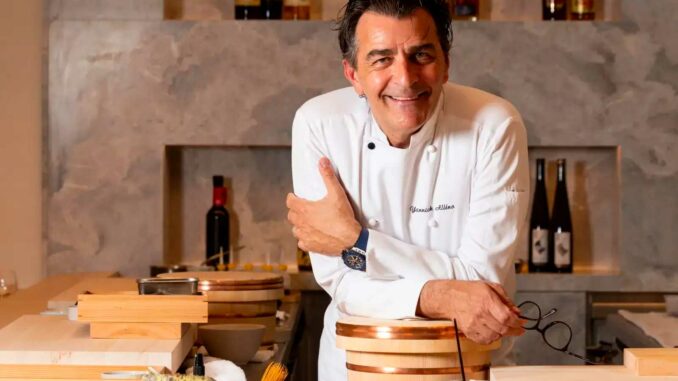
Michelin Guide’s January selection adds five Paris restaurants, led by Monsieur Dior by Yannick Alléno, sparking buzz from haute couture dining to classic bistro creativity.
Paris’s culinary scene kicked off 2026 with a splash. On 20 January 2026, the Michelin Guide unveiled its January Selection, officially incorporating new restaurants into its prestigious roster. At the heart of this wave is Monsieur Dior by Yannick Alléno, a highly anticipated entry that merges haute couture sensibility with fine dining precision, set in the historic 30 Avenue Montaigne flagship of Dior, under the direction of one of France’s most decorated chefs. Paris also welcomed Clos d’Astorg, Felini, Épopée, and À L’Improviste to the Guide; these establishments represent a blend of traditional French craftsmanship, modern seasonal cuisine, and community-centred restaurant culture. The additions have already driven reservation demand and conversation among gourmets and professionals alike, highlighting how the city remains at the forefront of global gastronomy.
The Michelin Guide Sets the Bar for Paris Dining
The Michelin Guide has long been the benchmark for restaurant excellence. Its selection process is methodical: anonymous inspectors visit restaurants repeatedly, assessing quality, consistency, technique, and personality of the cuisine. Inclusion in the Guide—whether starred or as a recommended table—signals a restaurant worth seeking out. In France, and especially in Paris, these selections influence tourism, reservations, and chef reputations.
The Guide updates monthly with “new” designations that highlight emerging talent or notable dining concepts. The January 2026 list covers 20 new restaurants across France, with several Paris names that are stirring attention.
The Michelin Draw of Monsieur Dior by Yannick Alléno
The most high-profile addition is Monsieur Dior by Yannick Alléno. Located at 32 Avenue Montaigne, within the iconic house of Christian Dior, this restaurant represents a strategic fusion of fashion heritage and gastronomy. The space sits above Dior’s flagship boutique and combines couture aesthetics with culinary creativity.
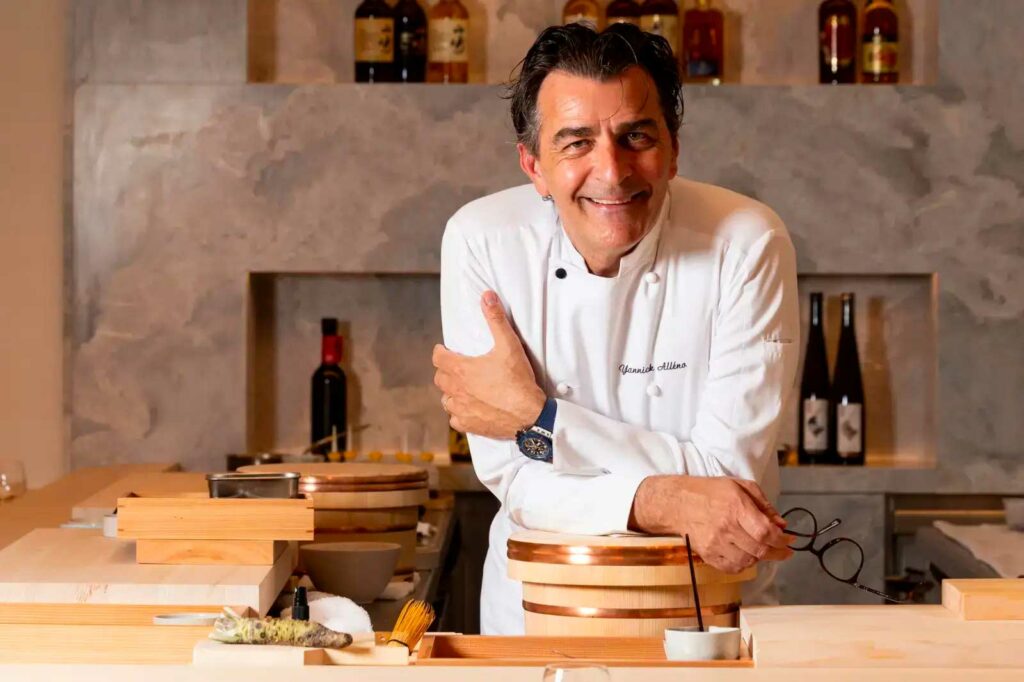
Chef Yannick Alléno is one of the world’s most decorated chefs in Michelin history, with multiple starred kitchens to his name and a reputation for technical rigor and innovation in French cuisine. Under his leadership, Monsieur Dior becomes not just a dining destination, but a continuation of Dior’s haute couture philosophy expressed through food. Dishes are conceived with a vocabulary borrowed from fashion—like the drapé de bar “New Look”—intended to evoke craftsmanship, structure, and elegance on the plate.
In this setting, the menu plays off traditional French technique and luxury ingredients, such as butter-poached sole, œuf Christian Dior with Paris ham and caviar, and poultry with black truffle macaroni. This blend of refined technique, historical context, and brand narrative distinguishes it among Paris’s wide array of Michelin Guide restaurants.
A Broader Palette: Traditional and Modern Tables
Alongside Monsieur Dior, several restaurants with different directions were recognised. Each brings distinct voices to Paris’s culinary story:
The Bistro Spirit at À L’Improviste
À L’Improviste embodies classic bistro values with a menu that evolves daily. Headed by chef Jean-Marc Notelet, formerly of prestigious kitchens like Caïus, it embraces simplicity and generosity. The restaurant has retained its traditional charm—wooden chairs, enamel signage, checked linens—while its cooking celebrates hearty meat dishes, comforting sauces, and a deep respect for French staples. Dishes range from pâté with hazelnuts to slow-braised beef cheek in red wine, finished with classics such as rice pudding with salted butter caramel. This focus on authentic flavour and tradition signals the Guide’s appreciation for bistro culture, not just fine dining.
Clos d’Astorg’s Confident Classicism
Clos d’Astorg offers a confident interpretation of French traditional cuisine. Its menu weaves around fundamentals like leek vinaigrette, egg mayonnaise, and green asparagus with mousseline sauce, emphasising clarity of technique and ingredient quality. The interior—with mosaic and hardwood floors, brick and stone walls—supports a dining experience that feels at once grounded and refined. Signature dishes like breaded veal sweetbreads meunière and onglet steak with Bleu de Bresse cheese speak to the kitchen’s expert handling of texture and balance.
Felini’s Contemporary Tones
Felini, another newcomer, represents a modern cuisine approach within the Register of the Guide. While less publicly detailed in official notes than other additions, its inclusion signals a command of seasonality, creativity, and execution that resonates with inspectors. Its presence alongside refined and traditional tables suggests Michelin is acknowledging modern, boundary-stretching establishments that appeal to a younger and cosmopolitan audience.
Épopée and the Seasonal Pulse
Épopée focuses on seasonal produce and vibrant flavour combinations. Led in part by Japanese chef Yurika Kitano, its menu showcases ingredients like fresh vegetables from micro-farms and small-scale fish, paired with creative elements such as cabbage with persimmon praline cream. The dining room’s design, with various nooks and a welcoming atmosphere, matches the food’s approachability with sophistication—another reason Michelin inspectors took note.
Why This Selection Matters
This January update is noteworthy for several reasons:
- It bridges haute couture and haute cuisine through Monsieur Dior, highlighting cross-disciplinary cultural impact in Paris.
- It affirms that neighbourhood restaurants with strong identity and consistency—like À L’Improviste and Clos d’Astorg—deserve attention alongside luxury institutions.
- It reflects a broader trend toward seasonality, creativity, and chef-driven concepts in dining.
For Paris’s diners and industry watchers, such shifts influence reservation patterns, chef careers, and gastronomic tourism. These new entries add depth and diversity to a city already home to over 120 Michelin-starred restaurants, spanning the spectrum from traditional French tables to cutting-edge culinary experimentation.
A City That Continues to Set Global Standards
The Michelin Guide’s January selection reinforces Paris’s role as a global leader in gastronomy. This list doesn’t just add restaurants—it signals what matters now in culinary culture: heritage reinvented, technique mastered, and fresh voices acknowledged. Whether it’s the couture-inflected elegance at Monsieur Dior by Yannick Alléno or the sincere bistro fare at À L’Improviste, each table illuminates a facet of why Paris remains central to the world’s culinary imagination.
Cook in France is your independant source for food in France.