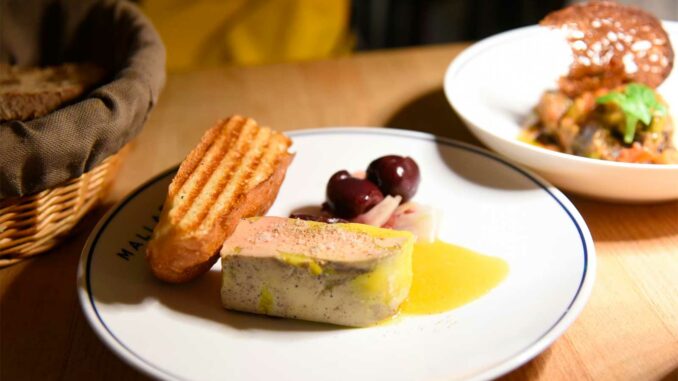
Sauternes with foie gras is no longer automatic. Here is why acidity matters, which dry whites work, and how to choose the right bottle.
This holiday-season debate is not a gimmick. It is a reaction to how modern meals are structured. Foie gras is rich, low in acidity, and often served early. Pairing it with Sauternes means combining high fat with very high sugar, often 80–120 g/L, and sometimes more. That can feel delicious for two bites, then tiring for the rest of the menu. Many sommeliers now prefer dry, high-acid whites that reset the mouth. Chablis brings chalky tension and near-dry profiles, with pH around 3.2 in many examples. Sancerre adds citrus and herbal lift from Sauvignon Blanc. Vintage Champagne can also work, thanks to acidity plus bubbles. The goal is simple: keep the foie gras flavour, but avoid palate saturation. The best pairing depends on the format: chilled terrine, mi-cuit, or pan-seared. Choose the wine by texture, temperature, and garnish, not by habit. That is the real anti-Sauternes logic today.
The tradition that made foie gras and sweet wine “obvious”
For decades, the default advice was simple: foie gras equals a sweet wine, especially Sauternes. The reasoning is not stupid. Foie gras is creamy. It carries salt, mild bitterness, and a distinct liver depth. A botrytised sweet wine adds honeyed aromas and a smooth texture that can mirror the dish.
But the tradition also became lazy. It turned into a reflex. The pairing often ignored context: when the foie gras is served, how cold it is, what bread it sits on, and whether the dish includes chutney, fig confit, or pain d’épices. Those details decide whether the match feels balanced or just heavy.
The sugar problem that people stopped pretending to enjoy
Here is the blunt truth. Many sweet wines served with foie gras are very sweet. Typical Sauternes often sits around 80–120 g/L of sugar, and some bottles go higher. That is not a detail. It is the main event.
If foie gras is your starter, that sugar can set a bad tone. Sweetness can make the next wines taste thin. It can also flatten your perception of salt and acid in the following dishes. That is why “it tastes amazing” can still be the wrong call for a full meal.
This is where the palate fatigue argument lands. You can love Sauternes. You can also admit that starting a multi-course dinner with a sugar-forward wine is a tactical mistake.
The acidity logic that drives the “Anti-Sauternes” shift
The new wave is built on a basic pairing rule: fat needs cut. Not more softness. Not more sweetness. It needs lift.
That is why the modern recommendation leans toward dry white wine with high acidity. Acidity increases salivation. It clears the tongue. It makes the next bite feel lighter, even if the dish itself is rich.
This is not about being trendy. It is about physiology. Foie gras coats your mouth. Acid scrubs it. Sugar often does not.
The dry whites that actually work, and why they work
The Chablis option that behaves like a scalpel
Chablis works because it is often taut, mineral, and close to dry. Many examples have very low sugar (around 1 g/L) and low pH values around 3.2 on producer tech sheets. That matters because low pH signals sharper perceived acidity.
Practical impact: a chilled slice of foie gras on toasted brioche can feel cleaner after each sip. The wine does not “fight” the dish with sweetness. It frames it.
What to look for on the table:
- A straight Chablis or a Premier Cru if your foie gras is plain and well-seasoned.
- A bit more age (5–8 years) if the foie gras includes truffle, because maturity adds roundness without sugar.
The Sancerre choice that brings citrus and bite
Sancerre is usually Sauvignon Blanc with a clean, pointed profile. Think citrus, herbs, and a firm acid line.
It is especially good when foie gras comes with fruit (mango chutney, fig confit, quince paste). The wine provides contrast. It stops the garnish from turning the whole plate into dessert.
The honest limit: very aromatic Sancerre can overpower delicate foie gras if the portion is small. If you serve 40 g (1.4 oz) per person, keep the wine restrained. If you serve 70 g (2.5 oz), you have more room.
The Champagne route that resets everything
Champagne is not just for the toast. With foie gras, bubbles plus acid can be brutally effective. It lifts the fat. It also fits the holiday mood.
Choose style based on the foie gras format:
- Terrine or mi-cuit: Brut, or Extra Brut if the dish has a sweet garnish.
- Pan-seared foie gras: a more structured Champagne, often with some Pinot Noir in the blend.
One detail people forget: temperature. Serve Champagne around 8–10°C (46–50°F). Serve the foie gras around 10–12°C (50–54°F). If the foie gras is fridge-cold, you mute aroma and exaggerate fat. That makes every pairing harder.
The serving format that decides the pairing more than people admit
Foie gras is not one product. It is several.
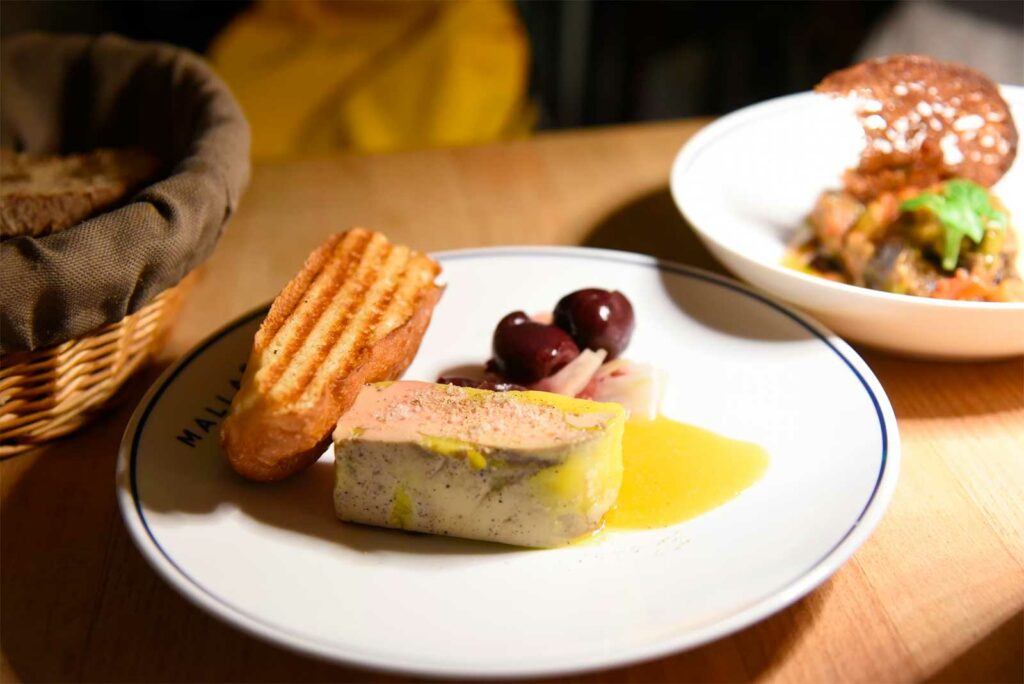
- Mi-cuit, served cold: this is where acid-driven whites shine.
- Terrine with spices: you can handle a broader wine, including aged white Burgundy.
- Pan-seared foie gras: the caramelised crust brings Maillard flavours. Dry whites still work, but you can also move to lighter reds if you insist.
If you want the anti-sweet logic to make sense, match it to the format. Do not treat foie gras like a single, unchanging dish.
The practical pairing matrix you can use at the table
Use this simple decision grid. It avoids overthinking.
- Foie gras plain, minimal garnish → Chablis.
- Foie gras with citrus, apple, or herbs → Sancerre.
- Foie gras with brioche, toasted notes → Champagne.
- Foie gras with strong sweet garnish (fig jam, onion confit) → still consider dry whites first, because the garnish already provides sweetness.
- Foie gras served mid-meal, not as a starter → a sweet wine becomes more viable, because you are not sabotaging the rest of the dinner.
This is the core of the “Anti-Sauternes” point. The issue is not that sweet wine is “bad”. It is that the timing is often wrong.
The mistakes that ruin the pairing even with the right bottle
First mistake: serving the foie gras too cold. You end up drinking wine against chilled fat. Warm it slightly. Aim for serving temperature around 10–12°C (50–54°F).
Second mistake: using too much garnish. A thick layer of chutney makes the plate sugary. Then people blame the wine when the dish itself has become unbalanced.
Third mistake: ignoring portion sizes. If you serve 100 g (3.5 oz) per person as a starter, you are asking for heaviness. A more realistic starter portion is 40–70 g (1.4–2.5 oz), depending on the menu.
Fourth mistake: thinking price fixes everything. It does not. A precise, dry white at €15 can outperform an expensive sweet wine if the goal is freshness.
The bigger story behind the trend, and why it matters to French taste
This debate is also cultural. French dining has shifted toward lighter, more acid-driven profiles. People snack less on heavy starters. They drink less overall. They also want meals that feel clean and paced.
The foie gras ritual stayed stuck in an older script: sweet wine, then more food, then more wine. Many hosts now want a meal that stays readable from start to finish. Dry whites fit that modern pacing.
So yes, the old pairing can still be beautiful. But when a tradition becomes automatic, it stops being culture and starts being inertia. The anti-sweet movement is basically chefs and sommeliers saying: taste the dish, then choose the wine. Do not let habit do your job.
Cook in France is your independant source for food in France.