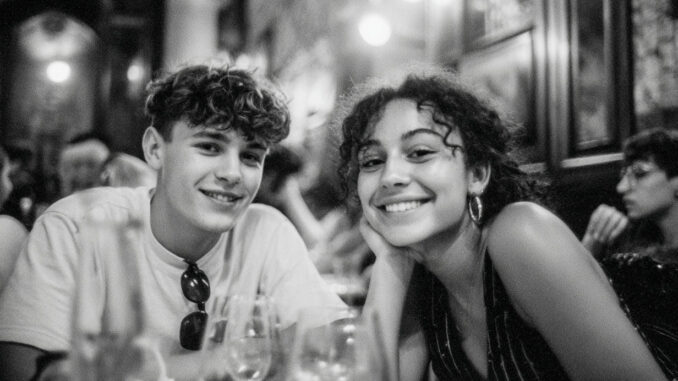
Tourists and locals do not eat the same way in Lyon. From bouchons to street food, discover the real gap between visitor habits and everyday Lyonnaise life.
Lyon is known as the gastronomic capital of France. Yet the difference between how tourists and locals eat in Lyon is much larger than many visitors imagine. Tourists often stay close to the historic centre, book a table in a famous bouchon, and spend one or two meals at Halles de Lyon Paul Bocuse, where prices and portions are designed for a short stay. Locals, by contrast, spread their meals across markets, small neighbourhood bistros, home cooking and canteens, with a strong focus on fresh products and weekly routines. They do enjoy traditional Lyon cuisine, but not every day, and rarely in the most touristy streets. Understanding the way tourists eat in Lyon and the way locals eat in Lyon offers a more nuanced view of the real Lyon culinary culture and helps travellers seek a more authentic Lyon dining experience.
The city where eating is a daily ritual
Lyon has built its reputation on food for more than a century. The city counts more than 5,300 restaurants for fewer than 530,000 inhabitants, one of the highest ratios in France. This density covers everything from Michelin-starred tables to kebab shops, Asian canteens and family bistros. At the same time, the metropolitan area records around 8.4 million overnight stays per year in tourist accommodation, which means that restaurant owners must serve both residents and a constant flow of visitors.
This double audience shapes the local Lyonnaise food culture. On one side, there are iconic dishes: salade lyonnaise, quenelle de brochet, saucisson brioché, tablier de sapeur, and cervelle de canut. On the other side, there is a very ordinary rhythm of life: a morning coffee at the corner bar, a fixed-price lunch menu around 18–22 euros, and simple dinners cooked at home. The gastronomy image is real, but it sits on top of a very practical, everyday food ecosystem. Understanding this tension is key to analysing the comparison between tourists and locals in Lyon.
The tourist trail: eating in postcard Lyon
Most visitors concentrate their stay in Vieux Lyon and on the Presqu’île. They often choose hotels in the centre, and their first meals happen within a radius of 1–2 kilometres, where menus are translated and displayed in several languages. In this zone, the tourist food habits in Lyon follow a pattern: a first dinner in a bouchon with a fixed menu between 30 and 40 euros, a lunch at Halles de Lyon Paul Bocuse, and at least one “Instagram-friendly” stop for pastries or praline tart.
Many restaurants in rue Saint-Jean or around place du Change are fully adapted to this demand. They offer a simplified version of traditional Lyon cuisine, with generous portions (often more than 400 g per plate) and a relatively standardised décor: checked tablecloths, old photos, and menus listing the same five or six dishes. Online lists of “best bouchons” tend to drive customers to the same addresses, which reinforces this concentration.
This does not mean that all these places are “tourist traps”. Some are serious, labelled “Bouchons Lyonnais”, with strict criteria on cooking, atmosphere and local products. But the logic is still oriented towards short stays. Tables turn quickly, dishes arrive fast, and staff are used to explaining the menu several times per service in English or Spanish. For many visitors, the way tourists eat in Lyon is therefore intense, meat-heavy, and compressed into two or three highly codified meals.
The local Lyonnaise food culture at home and at work
Lyonnais who live and work in the city have very different rhythms. During the week, the local eating habits in Lyon are shaped by work schedules and commuting patterns. A large share of workers use company canteens or ticket-restaurant vouchers, and many of them choose simple bistros or brasseries offering a starter-main or main-dessert formula around 15–20 euros. Portions are more moderate, and the dishes are often lighter than the iconic specialities promoted to visitors.
At home, residents buy a significant part of their food at neighbourhood markets: Croix-Rousse, Saint-Antoine, Monplaisir or Jean-Macé. On Saturday mornings, it is common to see shoppers leaving with 1–2 kilograms of seasonal vegetables, local cheeses, and sausages from the Monts du Lyonnais. These markets offer direct contact with producers, and the price per kilogram is often more attractive than in indoor gourmet halls.
A traditional bouchon meal is still important for families, but it is now reserved for celebrations: a birthday, a confirmation, or the visit of relatives from outside the region. Eating andouillette, tablier de sapeur or heavy creamy sauces several times per week would not fit modern health concerns. The famous “mâchon”, this early morning workers’ meal with offal and wine, survives mainly in organised events or special mornings rather than daily life. In practice, the way locals eat in Lyon includes as much grilled fish, pastas and salads as it does sausages and quenelles.
The authentic Lyon dining experience off the beaten path
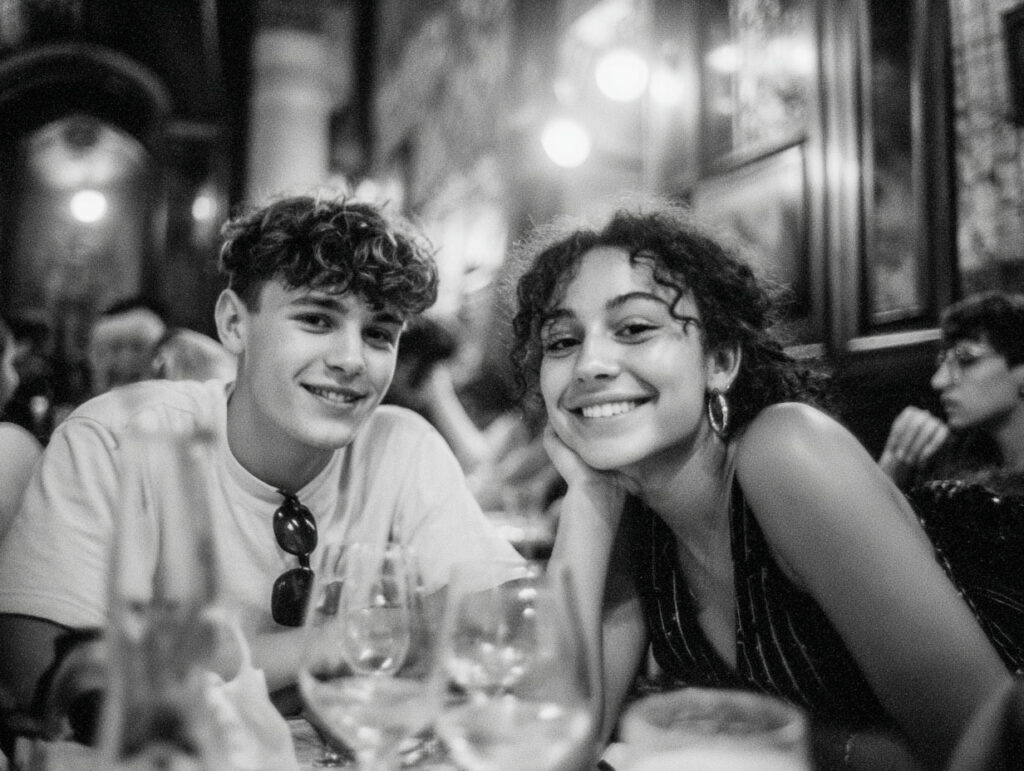
When Lyonnais look for a good dinner with friends, they do not all rush to Vieux Lyon. Many of them head to Croix-Rousse, Guillotière or the 7th arrondissement, where new bistros, wine bars and world-food canteens open every year. In these districts, the average bill per person can range from 25 to 40 euros with wine, but the cooking style is lighter, more seasonal, and often more inventive.
Here, the authentic Lyon dining experience often means a mix of influences: a menu that combines local charcuterie with natural wines from Beaujolais, small plates of vegetables roasted with olive oil, and desserts based on seasonal fruit rather than only praline tart. Locals also embrace Asian, North African and Middle Eastern cuisines; the density of Turkish grills and Vietnamese canteens in some streets shows how the real Lyon culinary culture is now broader than the traditional bouchon.
For a visitor willing to step away from the postcard image, following residents into these areas gives a more accurate view of the local Lyonnaise food culture. It reveals another form of traditional Lyon cuisine, less frozen in time, where recipes adapt to new tastes and dietary concerns. This is where one feels most clearly the comparison between tourists and locals in Lyon: the same city, the same products, but very different choices on the plate.
The tourist magnets: Halles Bocuse and certified bouchons
Some places act as magnets for both audiences, but they are not used in the same way. Halles de Lyon Paul Bocuse is the best example. Tourists come there for tastings, photos, and gourmet gifts; they order seafood platters for 2–3 people at 70–90 euros, or eat quenelles at counters packed around lunchtime. Locals, on the other hand, visit in a more surgical way. They buy 200–300 g of high-end cheese, a specific saucisson, or pastries for a Sunday lunch, then return to their neighbourhoods.
The same difference exists in bouchons bearing the official “Bouchons Lyonnais” label. Tourists often discover them through hotel concierges or online rankings and book for dinner. Residents tend to go at lunch, when prices are lower, or choose lesser-known addresses outside the busiest streets. For them, the way locals eat in Lyon is to integrate these traditional places into a wider repertoire that also includes pizzerias, sushi bars and vegetarian cafés. For travellers, the same addresses become condensed experiences of the traditional Lyon cuisine, sometimes the only contact with local food during a short stay.
The real gap between tourist and local food habits
Looking at these patterns, the difference between how tourists and locals eat in Lyon can be summarised along four main lines. First, frequency: tourists compress several rich meals into two or three days, while locals spread their indulgence over the year. Second, geography: visitors concentrate in a few central streets and in Halles de Lyon Paul Bocuse, while residents explore a wider ring of 3–5 kilometres around the centre. Third, content: many visitors focus on meat-heavy specialities, whereas everyday meals for locals include more vegetables, soups and simple dishes.
Fourth, and perhaps most important, is intention. Tourists seek emblematic dishes and stories; Lyonnais seek convenience, value for money, and quality they can sustain week after week. For a traveller who wants to bridge this gap, the key is to blend both approaches: enjoy a labelled bouchon once, sample local cheese and charcuterie, but also have a simple two-course lunch in a non-touristy district, shop at a market, and watch how people order and eat around them. In doing so, they move closer to the real Lyon culinary culture and away from a purely postcard version of the city.
The evolving future of Lyon’s shared table
The habits described above are not fixed. Younger Lyonnais drink less wine during the week, ask for vegetarian options, and pay attention to the origin of their meat and vegetables. Many restaurants now highlight local supply chains within a radius of 50–100 kilometres and reduce food waste. These shifts will influence both the tourist food habits in Lyon and the local eating habits in Lyon over the next decade.
For visitors, the opportunity is clear. By moving beyond the obvious addresses, by accepting smaller portions in exchange for better products, and by paying attention to the times and places where residents actually eat, they can experience a much richer version of the authentic Lyon dining experience. The city remains proud of its bouchons and its symbols, but its real vitality is now found in the daily gestures of people who live there. Anyone ready to observe those gestures, and to share a table on their terms, will understand much more than any list of “must-try” dishes can teach.
Cook in France is your independant source for food in France.